Addiction treatment in Florida
Treatment for addiction in Florida starts with seeing your choices clearly. The state has 494 SAMHSA-listed facilities, from detox through outpatient care. This guide keeps each next step concrete and within reach.
- facilities listed
- 494
- provide detox
- 150
- take Medicaid
- 304
What you can expect on the helpline
The free 24/7 helpline is answered by a real person trained as a treatment advisor, not an automated menu, and the conversation stays private. That advisor will ask which substance is involved, how long it has been a worry, what medical conditions you have, how you plan to pay or what insurance you hold, and where in Florida you are located.
Reaching the helpline costs nothing, is private, and commits you to nothing at any facility. An advisor can explain the levels of care, check which programs accept your insurance, and share SAMHSA-listed options near you. No one can promise admission or coverage, because the facility and your insurer make those decisions. If danger is immediate or someone is overdosing, dial 911 or 988 rather than the helpline. The call simply turns a vague worry into a short list of programs you can contact on your own.

Alcohol and drug treatment
Alcohol use disorder treatment in Florida includes 295 facilities that offer medications such as naltrexone or acamprosate, and 321 sites list naltrexone. Medications for alcohol use disorder are an evidence-based option and are usually combined with counseling, not used alone. For opioids, buprenorphine is listed at 348 facilities and methadone at 69, with Suboxone and similar products prescribed at many of the same sites.
Because alcohol and benzodiazepine withdrawal can be dangerous, having a clinician oversee it matters more than willpower right now. If you have been consuming alcohol excessively or taking benzos daily, make detox your first call, not your last. No approved medications exist for cocaine and methamphetamine, so treatment centers lean on behavioral therapies and structured outpatient programs.
Often chosen rehab facilities in Florida
-
 Joint Commission
Lake Worth, FL
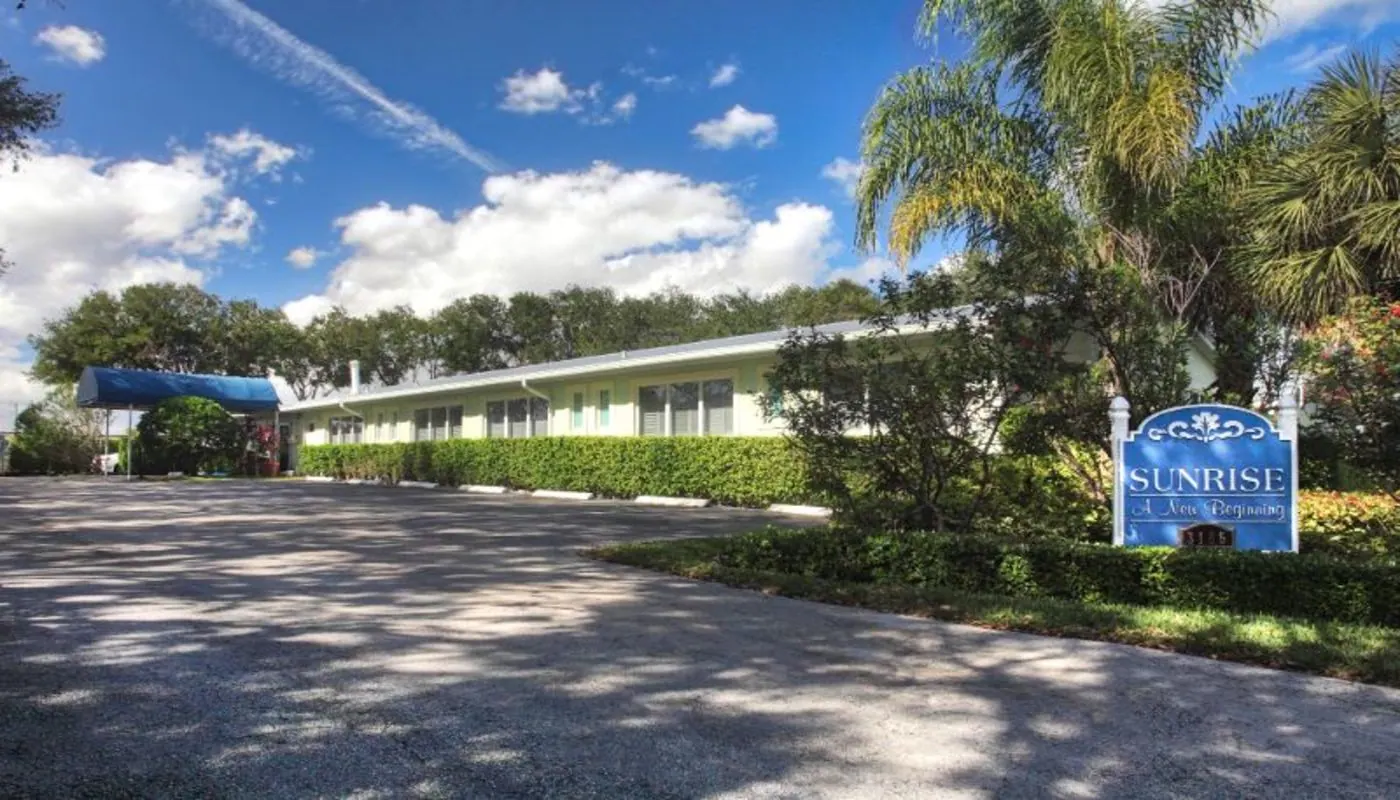
Sunrise Detox Palm Beach
4.1/5119 Google reviews
- Co-Occurring Mental Health
- Residential Rehab
- Detox
Sunrise Detox Palm Beach provides medically supervised detox and residential rehab in Lake Worth.
- 21 days program
- 6-15 beds
-
 Joint Commission
Boynton Beach, FL
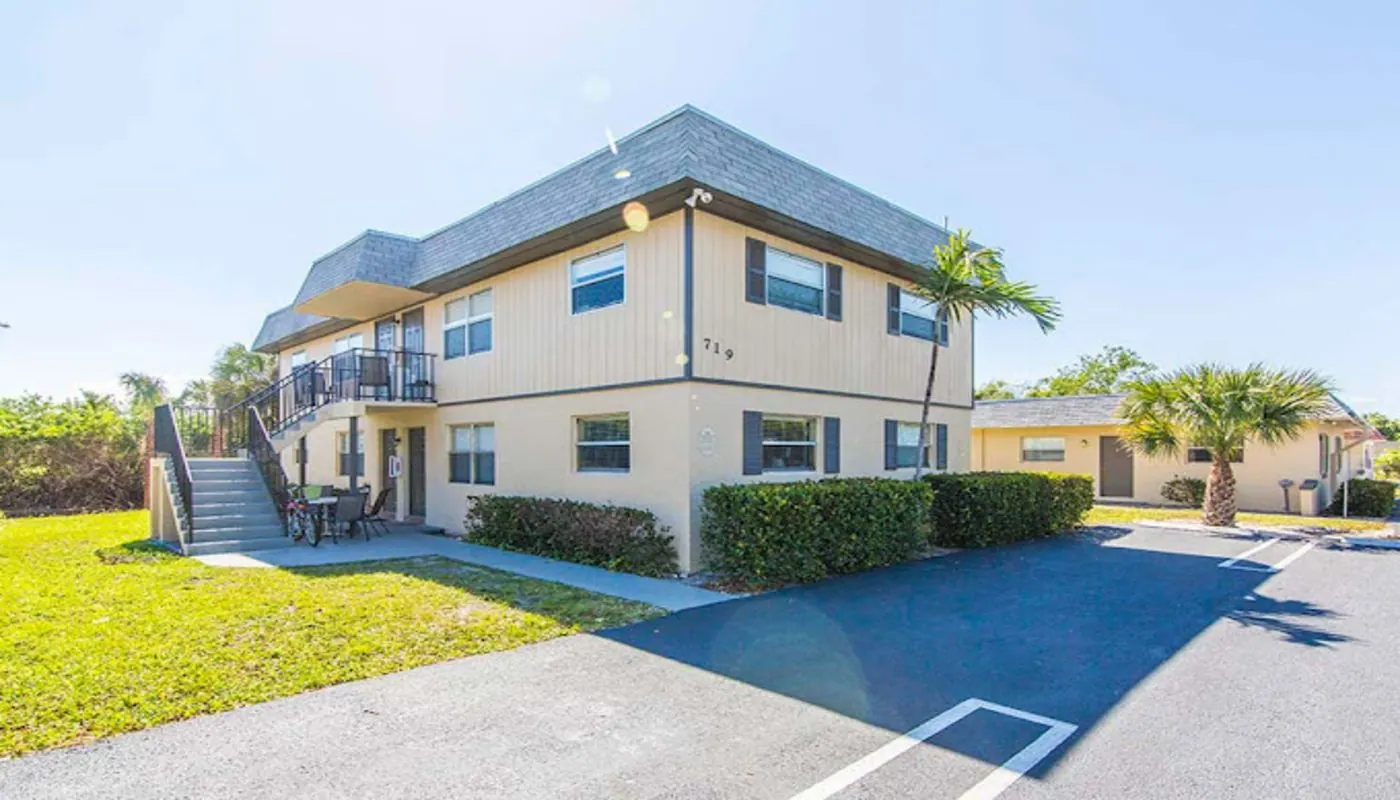
Lighthouse Recovery Institute
4.3/560 Google reviews
- Co-Occurring Mental Health
- Outpatient
Lighthouse Recovery Institute Boynton Beach provides outpatient addiction mental health needs and treatment together with substance use.
- 30 days program
-
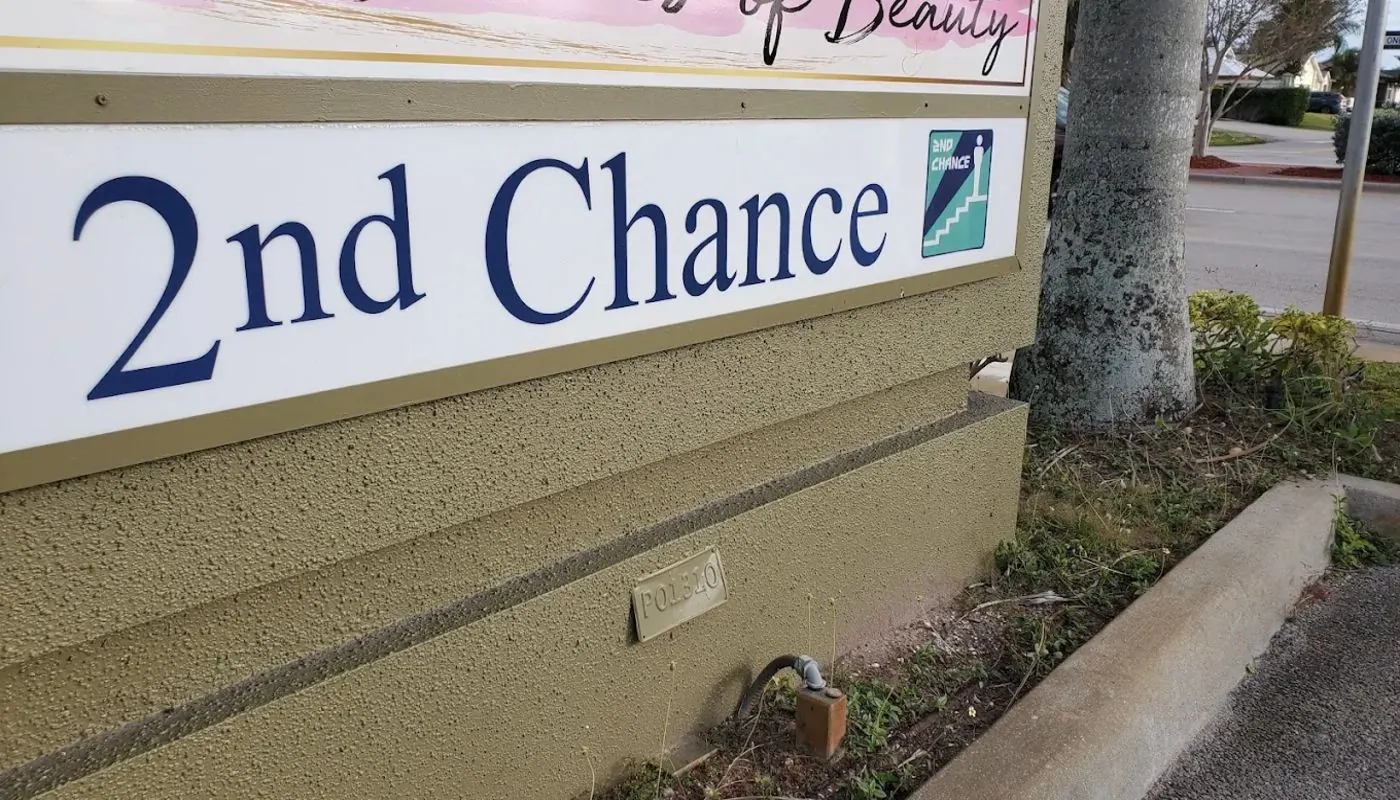
Port St. Lucie, FL
2nd Chance Mental Health Center
2.3/57 Google reviews
- Outpatient
2nd Chance Mental Health Center Port St.
- 5 days program
-
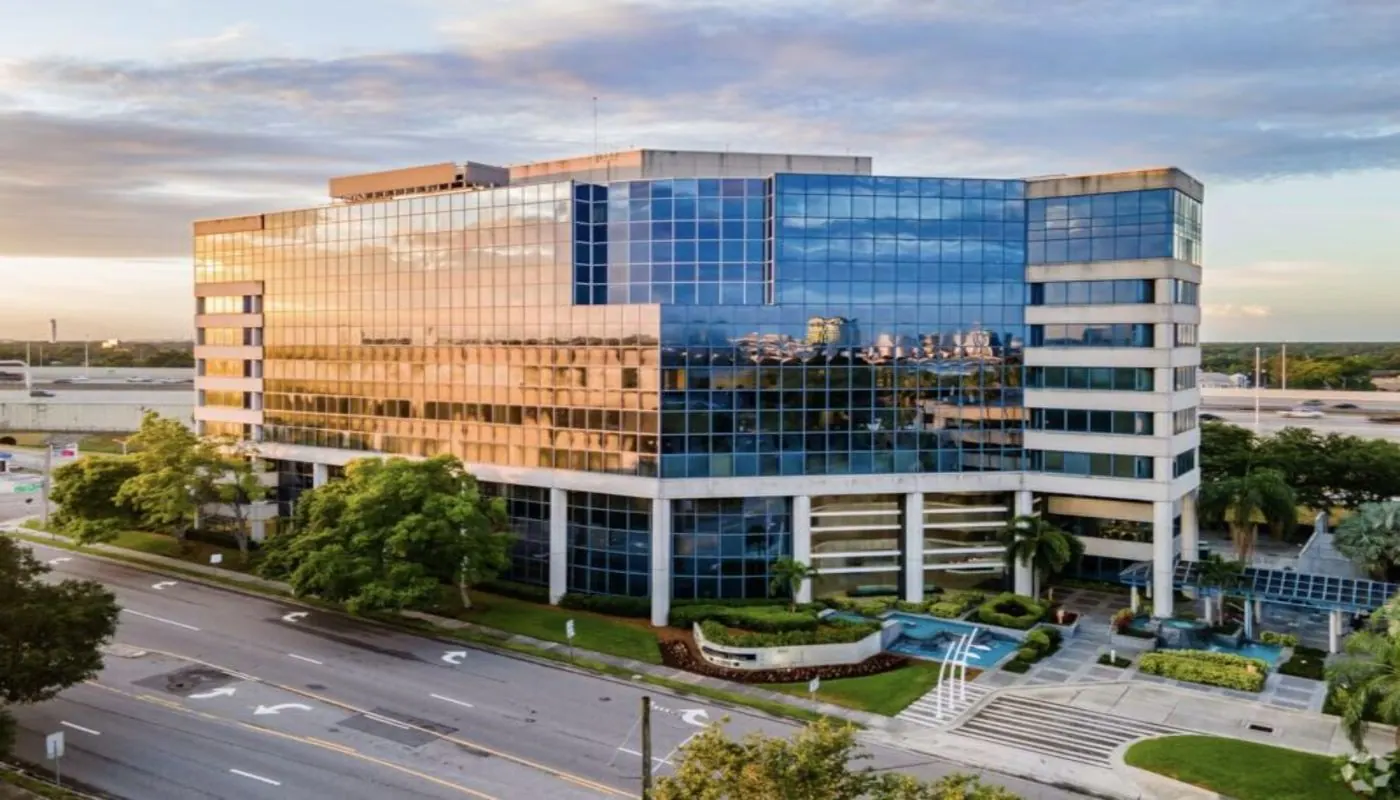 Joint Commission
Tampa, FL
Pasadena Villa Outpatient Tampa
4.9/543 Google reviews
- Outpatient
Structured day treatment and intensive outpatient care are offered at Pasadena Villa Outpatient Tampa.
- 30+ days program
-
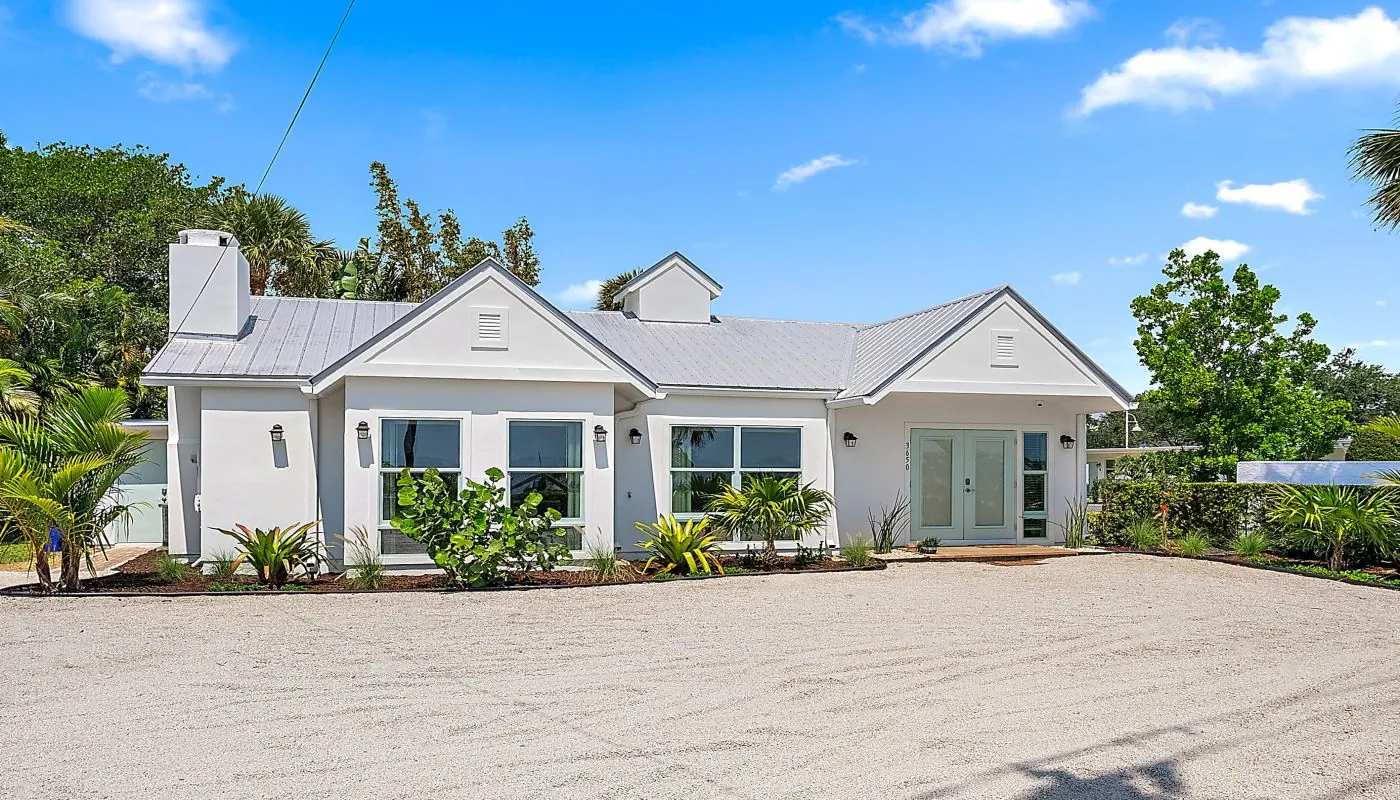 Joint Commission
Jensen Beach, FL
River House Wellness
4.8/551 Google reviews
- Co-Occurring Mental Health
- Residential Rehab
River House Wellness Jensen Beach is a residential rehab in Jensen Beach, Florida.
- 60 days program
- 16-30 beds
-
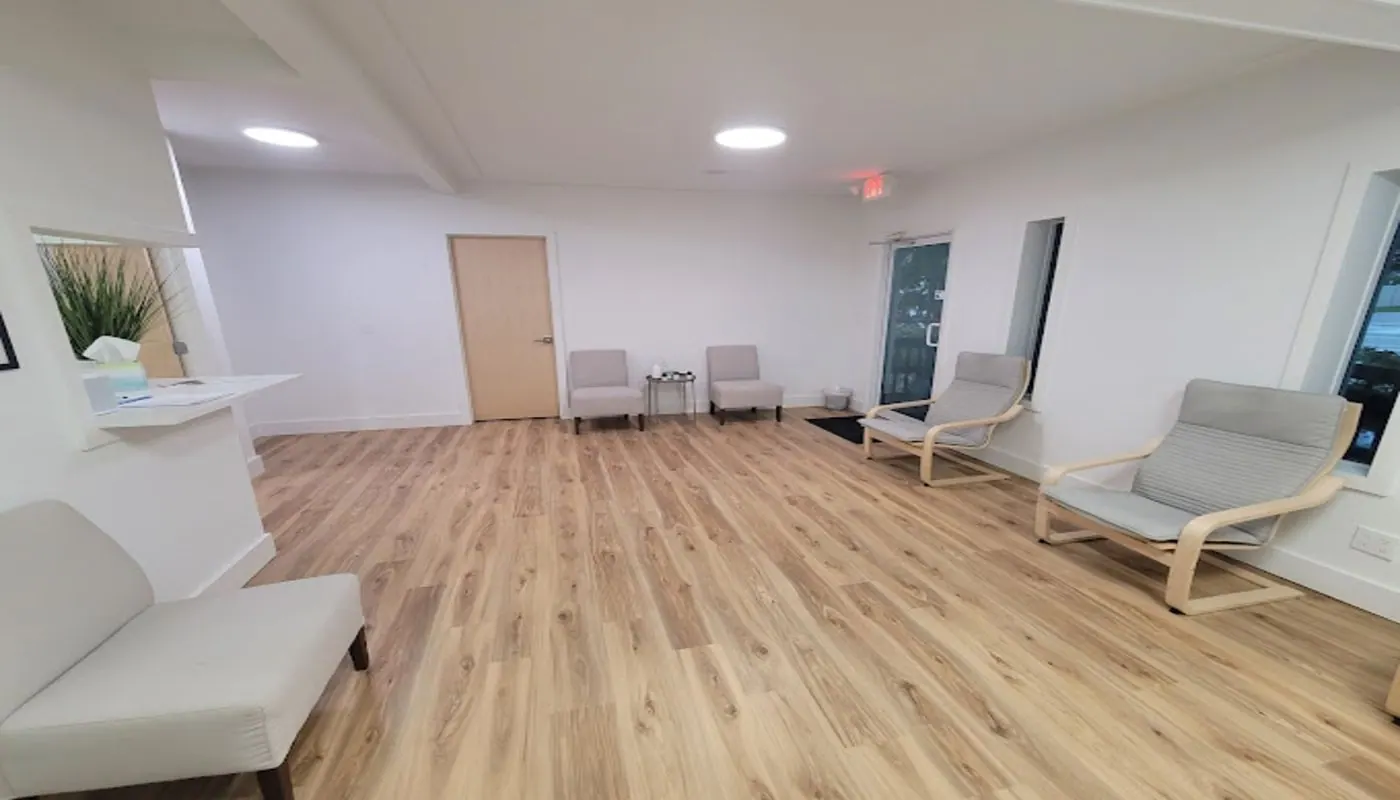 Joint Commission
Vero Beach, FL
PUR Health and Wellness
- Outpatient
PUR Health and Wellness Vero Beach provides outpatient mental health care in Florida.
What Florida's overdose data shows
In the 12 months ending May 2026, Florida recorded 3,976 overdose deaths, a 7 percent drop from the period before, per CDC provisional counts. Opioids accounted for 2,260 of those deaths and fentanyl for 1,771, while cocaine was involved in 1,243 and methamphetamine in 1,069.
The drop does not make the risk smaller for any one person, because fentanyl remains the leading driver of overdose deaths in Florida. If someone in your household uses opioids, keeping naloxone on hand and knowing how to use it is a concrete step you can take today. Heroin deaths fell to 17, which reflects a shift toward fentanyl rather than a safer supply. The overdose data points to why medication for opioid use disorder is listed at 348 facilities, and why starting with a medical assessment is often the safest move.
| Drug | Past year | Prior year | Shift |
|---|---|---|---|
| Every type of drug overdose | 3,976 | 4,294 | -7% |
| Any opioid involved | 2,260 | — | — |
| Fentanyl and similar synthetics | 1,771 | — | — |
| Heroin overdose deaths | 17 | — | — |
| Opioids from prescriptions | 605 | — | — |
| Methamphetamine overdose deaths | 1,069 | — | — |
| Cocaine overdose deaths | 1,243 | — | — |

Levels of care listed in Florida
Addiction treatment in Florida is listed across seven levels of care, with 150 facilities offering medical detox and 143 providing inpatient or residential rehab. The right level depends on safety, structure, and how daily life fits around treatment.
When withdrawal risk is genuine, medical detox at 150 Florida facilities is your first decision, and a clinician should guide it. Outpatient rehab is the most common pick, with 411 programs listed around Florida for people needing flexibility. If your days are unpredictable, or outpatient has already been attempted, residential care may be the level that holds. Partial hospitalization, listed at 117 facilities, falls between inpatient structure and weekly appointments, while intensive outpatient at 193 programs offers several visits per week. Opioid use disorder medication is provided at 348 locations, including many buprenorphine prescribers and 87 methadone clinics. Weigh each level against what your week can realistically support, then call one program and ask how the first appointment works.
Where to find rehab centers in Florida
Miami lists 42 facilities, Fort Lauderdale 28, and West Palm Beach and Jacksonville 19 each, while Tampa has 17, Orlando 16, and Daytona Beach and Fort Myers 13 apiece. The largest cluster of rehab centers in Florida is in South Florida, but care closer to home may be easier to sustain. If you live outside those cities, then telehealth is worth asking about, since 370 facilities offer remote services. A shorter drive often means more family involvement and fewer missed appointments.
Paying for treatment in Florida
Cost is often the first question, and Florida's listings show 304 facilities that accept Medicaid, 421 that work with private insurance, and 461 that accept self-pay. Sliding-scale fees are listed at 162 programs, and 14 facilities report no fee.
As of October 2026, Florida has not adopted Medicaid expansion, so eligibility hinges on categorical rules and income limits that differ by household. Start by calling your insurer to find which Florida treatment centers are in network and what prior authorization they need. If your plan comes through an employer, federal parity law says mental health and substance use benefits should be no more restrictive than medical ones, a useful question when a denial arrives. Sliding-scale fees at 162 programs can reduce the cost, but you must request the application before the first session. State block grant funds reach 234 facilities, and 115 offer some form of financial assistance. Medicare is accepted at 219 sites and TRICARE at 295. For free care, ask specifically about county-funded or grant-funded slots, since those rarely show up on a website.
- take Medicaid
- 304
- take private insurance
- 421
- take Medicare
- 219
- offer a sliding-scale fee
- 162
- 1
Call and describe the situation
Tell the advisor which substance is involved, how long it has been a concern, and whether any medical conditions are present. Details like these help narrow down which level of care deserves a look first.
- 2
Check payment and location
Share your insurance or Medicaid status and the part of Florida you are in. The advisor can match you with SAMHSA-listed programs that accept your plan or offer sliding-scale fees.
- 3
Contact the program directly
You call the facility yourself to ask about assessment times, what to bring, and whether medical detox is required. Keep the list short and ask the same questions each time.
- 4
Prepare for the first appointment
Double-check the date, line up a ride, and bring your insurance card plus a list of the medications you take. If withdrawal worries you, ask whether a clinician will oversee that as part of admission.
Helpful answers
What is the first step for addiction treatment in Florida?
The first step is a clinical assessment, and Florida has 494 SAMHSA-listed facilities where you can start. Call the free 24/7 helpline to describe the situation and get a short list of programs that match your insurance and location. Nothing is promised until the facility reviews your needs.
How much does rehab cost in Florida?
Costs vary widely, so check with each program directly. Across Florida, 461 facilities take self-pay, 162 use a sliding fee scale, and 14 report charging nothing. Medicaid is accepted at 304 sites and private insurance at 421. Our helpline is free and can support you weigh choices with no commitment.
Does Florida Medicaid cover addiction treatment?
SAMHSA listings show 304 Florida facilities accepting Medicaid, though whether you qualify is a separate question. As of October 2026, Florida has not expanded Medicaid, so income limits and category rules decide who is eligible. Before booking, ask the billing office whether the particular level of care you need falls under your coverage.
How long does inpatient rehab last in Florida?
Length of stay is set by the facility and your clinical needs, not by a fixed statewide rule. Florida has 143 inpatient and residential rehab programs, and many start with medical detox at one of 150 facilities. Ask each program how long its typical stay is and what insurance will authorize.
Can I get medication for alcohol or opioid use disorder in Florida?
Yes. Medications for alcohol use disorder appear at 295 Florida facilities, and buprenorphine for opioid use disorder at 348. Methadone is offered at 87 opioid treatment programs. A medical evaluation comes before any prescription for these medications; requesting them alone is not enough.
Is the helpline free and confidential?
The 24/7 helpline is free and confidential, and the treatment advisors answering it work with licensed providers. Calling commits you to nothing. Advisors can explain levels of care and share SAMHSA-listed programs, but they cannot promise admission or insurance coverage.
Ready to make one concrete call
If you are weighing addiction treatment in Florida, the free 24/7 helpline is a low-pressure way to get a short list of SAMHSA-listed programs that fit your insurance and location. Call when you are ready, and ask what the first appointment involves.