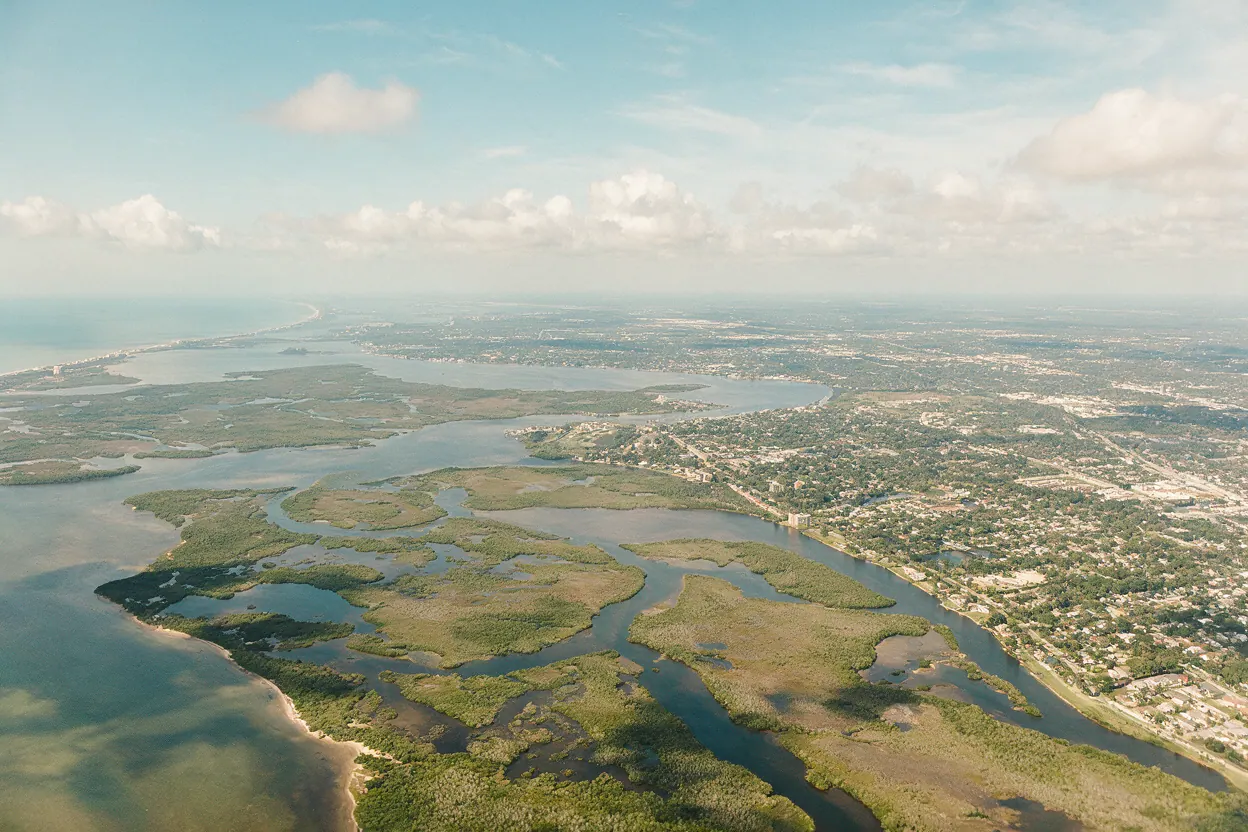
Rehab locations Florida
Rehab locations Florida spans hundreds of programs, so the work is narrowing it. Statewide, 494 facilities appear in SAMHSA FindTreatment.gov listings. Start with level of care, payment and the drive.
The first sentence of any search is usually the same: where do I actually go. Rehab locations Florida covers everything from a hospital detox unit to a quiet residential program outside Ocala, and the spread matters more than the brand name. Miami alone lists 42 facilities. Fort Lauderdale lists 28, West Palm Beach and Jacksonville 19 each, Tampa 17 and Orlando 16. Smaller cities hold their own: Daytona Beach, Fort Myers and Ocala each list 13, Lake Worth and Gainesville 10, Delray Beach 9. You can compare SAMHSA-listed rehab centers across Florida without naming a single facility first, which keeps the decision yours.
What changes from one city to the next is the mix of services. West Palm Beach lists 12 detox programs, Orlando 8 and Miami 7, while Daytona Beach lists one. Residential beds run heavier in West Palm Beach with 10 and Miami with 11; Gainesville lists two. Medicaid acceptance swings widely too, from 27 facilities in Miami to three in West Palm Beach. Medicaid and lower-cost options shape Florida rehab programs more than zip code does, so ask about payment before you ask about the view.

How Florida rehab centers differ
Clinical intensity is the first real difference. A facility with medically supervised detox can carry someone through the early days of withdrawal; a site offering only outpatient counseling cannot, and that gap shapes where care begins. Miami lists 7 detox programs and 11 residential, yet most of its 42 facilities are outpatient or counseling sites. Ocala lists five detox programs among 13 facilities, a larger share than Tampa, at three of 17. If alcohol or benzodiazepine withdrawal is present, then medical supervision belongs in the plan from day one. Cost is the second dividing line. Medicaid is listed as accepted at 27 facilities in Miami, 15 in Fort Lauderdale, 13 in Jacksonville and Orlando, 12 in Ocala and 11 in Tampa, but only three in West Palm Beach and Delray Beach. Federal parity law may require health plans to cover substance use treatment on terms comparable to medical care, though each plan sets its own network and authorization rules. If a Florida rehab center does not take your coverage, then ask for a self-pay figure and a referral before you move on. Your bill hinges on the level of care, the length of your stay, and whether insurance covers it. No single number captures the entire state. Sliding-scale clinics and county-funded programs frequently share the same listings with private residential centers, so two facilities in one city may look completely different once the bill arrives. Verifying that a Florida rehab facility is licensed and accredited takes ten minutes and reveals more than any brochure, and appearing in SAMHSA listings means the program is in the federal directory, not that anyone has rated it.
| Place | Programs | Detox | Residential | Medicaid |
|---|---|---|---|---|
| Miami | 42 | 7 | 11 | 27 |
| Fort Lauderdale | 28 | 5 | 5 | 15 |
| West Palm Beach | 19 | 12 | 10 | 3 |
| Jacksonville | 19 | 5 | 6 | 13 |
| Tampa | 17 | 3 | 6 | 11 |
| Orlando | 16 | 8 | 7 | 13 |
| Daytona Beach | 13 | 1 | 1 | 9 |
Common questions
How many rehab locations Florida has
The SAMHSA FindTreatment.gov listings show 494 facilities across Florida as of November 2026. That total covers detox, residential, outpatient and medication-assisted programs, including ones that accept Medicaid. The count is a starting point for comparison, not a ranking; each listing still needs a call to confirm current services, openings and payment options.
What are the different types of rehab centers in Florida
Most Florida rehab centers fall into four groups: detox and withdrawal management, residential treatment, outpatient programs and medication-assisted treatment such as Suboxone or methadone. West Palm Beach lists 12 detox programs and 10 residential ones, while Daytona Beach lists one of each. Many facilities offer more than one level, so ask which services run on site and which are referrals.
Are there low cost rehab options in Florida
Yes. According to SAMHSA listings, Medicaid is accepted at 27 facilities in Miami, 13 in Jacksonville and 12 in Ocala. State Medicaid covers some substance use treatment, and county-funded or sliding-scale programs exist as well. One call to the helpline has no cost and can help you narrow programs that fit your budget before you start calling around.
What should I ask a Florida rehab program before I go
Start with three questions: what level of care runs on site, does the program take my insurance or Medicaid, and how does it handle withdrawal. Miami lists 7 detox programs, so medical supervision is available in some cities but not all. Ask whether the facility is licensed and accredited, and confirm the cost in writing before you commit.
How long do inpatient programs in Florida last
How long you stay turns on the level of care and your clinical need, and no single timeframe fits everybody. Residential programs usually last weeks rather than days, while detox is measured in days. West Palm Beach lists 10 residential programs and Miami 11, so options exist around the state. Ask the program directly about its usual length and what your insurer will approve.
Your next call about Florida rehab
Begin with a single question: what level of care does this program provide, and does it accept my insurance or Medicaid. An advisor on the free 24/7 helpline can talk through SAMHSA-listed options in the city you pick and what each one asks of you. The call is confidential and puts you under no obligation, and it cannot promise admission or coverage. If withdrawal worries you, mention it early so the advisor points you to programs with medical supervision.